SHAPE
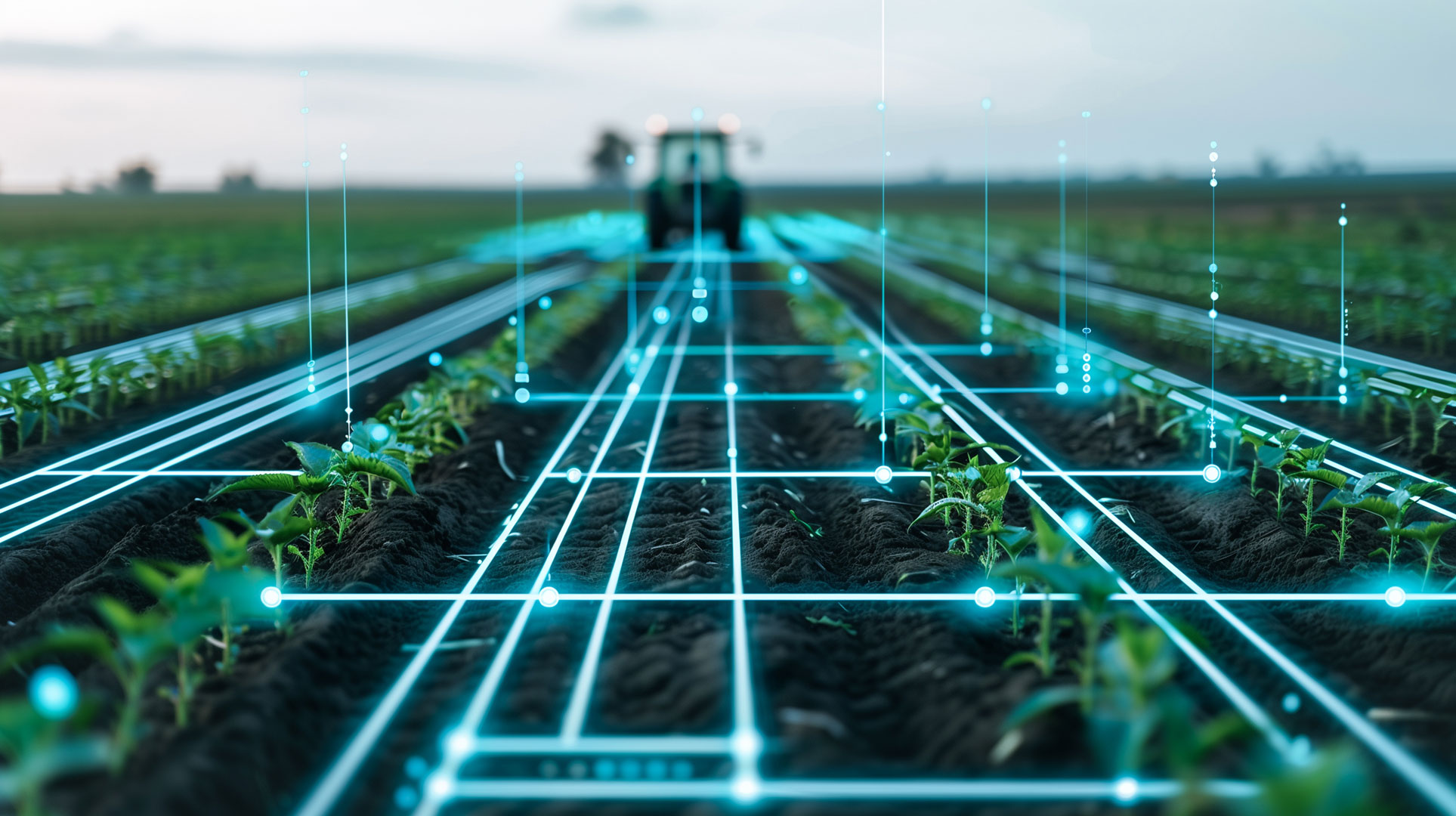
Innovative measurement and analysis systems that are integrated into a novel monitoring system, which makes it possible to assess the current health status of the soils at any time.
Project title: SHAPE – Soil Health Check and Practices
Website: shape-soil.eu
Soils worldwide are severely threatened for various reasons. This also applies to our German-Dutch border region, where agriculture and horticulture are among the most important economic sectors, and the valuable soils are essential for successful farming. Nevertheless, our soils are also suffering, and it is estimated that around 60% to 70% of the soils in the entire EU are unhealthy. Furthermore, around one billion tons of soil are lost to erosion every year, and the remaining fertile topsoil disappears. The EU estimates the cost of soil degradation at over €50 billion per year.
This soil degradation naturally has consequences for agriculture, which, already facing the enormous challenge of supplying the population with high-quality and affordable food while remaining economically viable, is grappling with the effects of climate change and steadily rising production costs. Healthy and highly functional soils have the potential to be a key to successful adaptation to the impacts of climate change and to contribute to slowing its progression by storing large quantities of CO2. Securing soil quality and maintaining and promoting soil health requires adapting current farming practices, which necessitates comprehensive knowledge, innovative analytical methods, and cultivation recommendations.
This is precisely where the “SHAPE – Soil Health Check and Practices” project comes in: The consortium of nine SMEs from Germany and the Netherlands, along with Rhine-Waal University of Applied Sciences, is developing innovative measurement and analysis systems together with application partners. These systems are integrated into a novel monitoring system that allows farmers to assess the current health of their fields at any time. Using machine learning, artificial intelligence, and complex simulations, the data is documented and evaluated in an integrated soil management system. Recommendations for soil health are generated and output via an integrated Decision Support System (DSS). Implementing the recommended measures conserves natural resources and prevents environmental pollution. The developed products and systems help to reduce the consumption of natural resources and prevent soil degradation and pollution of the water cycle.
This protects the soil and the environment in the program area. By increasing CO₂ sequestration in the soil and recording its impact, the goal of transitioning to carbon-negative farming can be supported, and potential future monetization of this service can be achieved. Initial initiatives, such as those from Rabobank and Bayer, are already developing experimental concepts to transform farmers into climate-friendly farmers. Furthermore, disseminating the soil knowledge developed within the project will maximize its impact in the region.
This project is financially supported by the European Union and the Interreg partners within the framework of the Interreg Germany-Netherlands program.